
Description
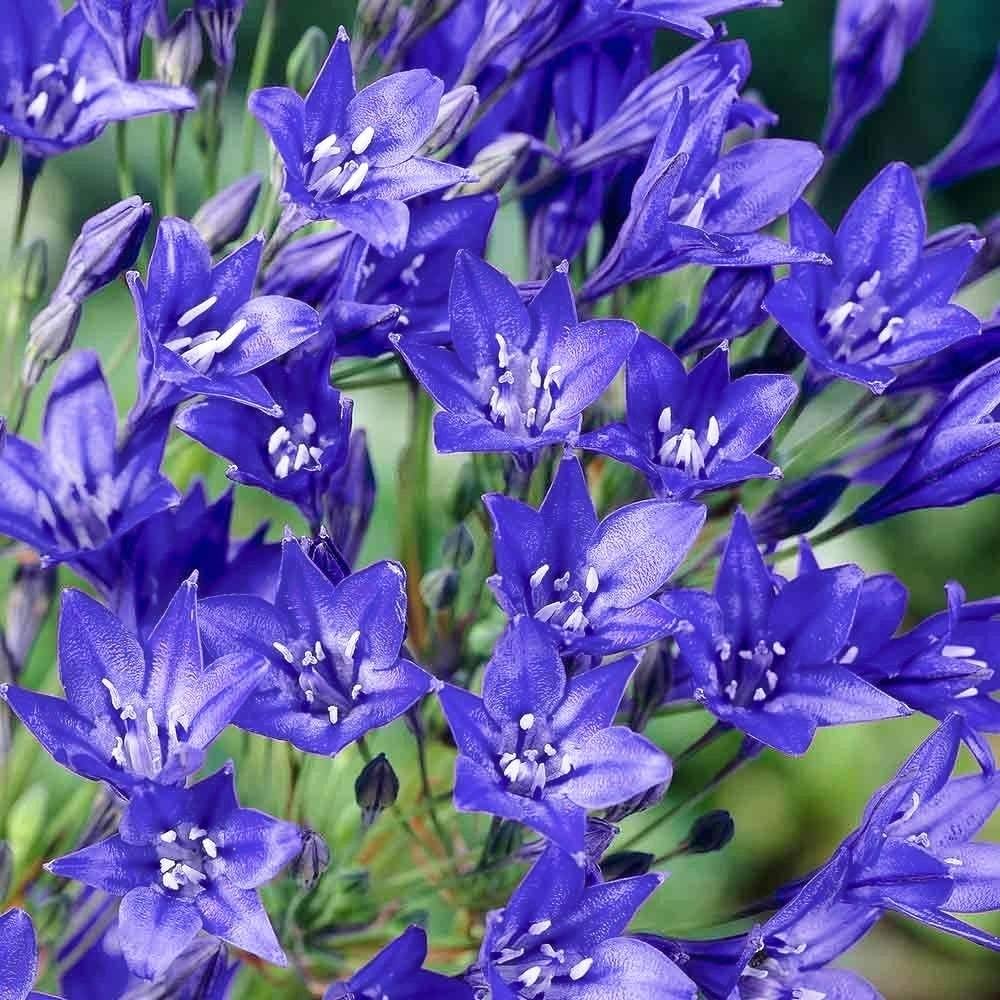
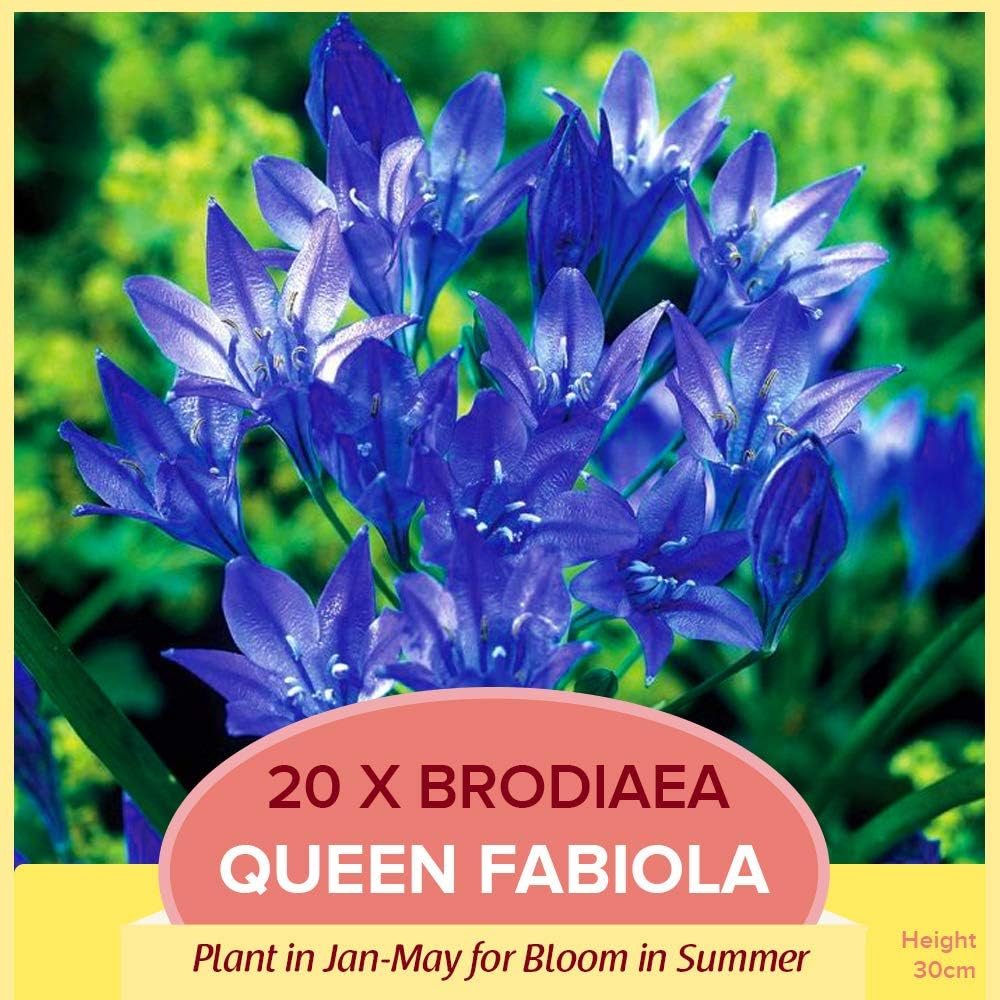
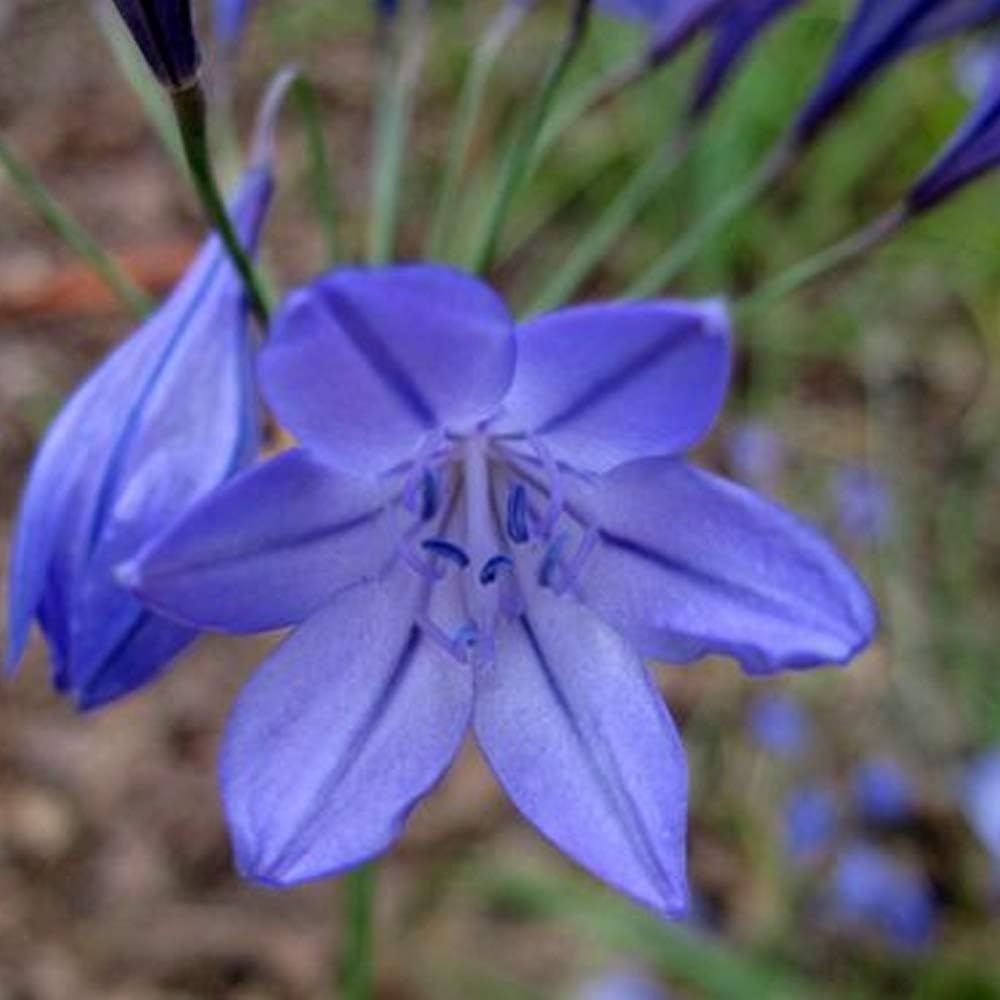
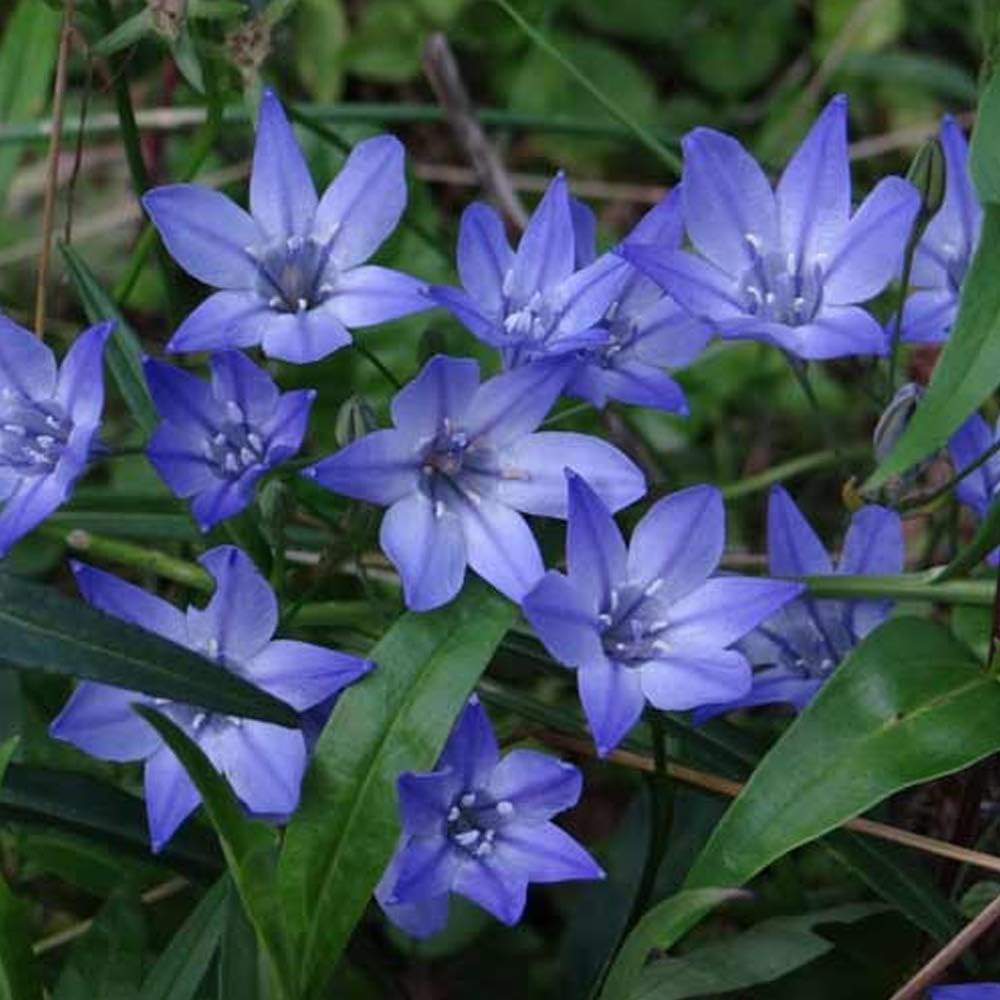
Brodiaea ‘Queen Fabiola’ (Brodiaea laxa) is grown for its clusters of deep blue flowers, which appear in late spring and early summer. This plant is native to the west coasts of North and South America, where it grows wild in dry grasslands and arid, shrubby areas. Also recognized as Triteleia laxa ‘Queen Fabiola’. Commonly known as the triplet lily, fool’s onion, wild hyacinth or Ithuriel’s spear. Brodiaea Queen Fabiola is a striking, long-lasting addition to cut-flower arrangements, so florists prize Queen Fabiola. Plant it in a spot that has plenty of sun and this fabulous perennial will naturalize easily—perfect for woodland borders or wildflower gardens. These flowers have won several awards; the Trial Garden Award, the Award of Merit and the First-Class Certificate. As this American native has been around so long, it goes by many different names. Brodiaea ‘Queen Fabiola’, or Triteleia laxa ‘Queen Fabiola’, is commonly known as Ithuriel’s Spear, Triplet Lily, Pretty Face or Wild Hyacinth. It’s also called Fool’s Onion for its similarity to dwarf alliums, and is actually preferable to the garlicy smell dwarf alliums sometimes bear. Queen Fabiola’s blue-violet flowers are borne in clusters, with individual flowers opening continuously for a month or more. This extends the bloom time and also makes brodiaea an excellent cut flower. Bees and butterflies love them, too. General Care: Brodiaea are easily grown and apart from regular watering during the growing season, no other special treatment is necessary. Digging & Storing: Bulbs can be left in the ground to naturalise. When bulbs have been left in the ground, top dress with some fertiliser each autumn. As required, all these bulbs can be dug after the foliage has died right down. Lift and replant immediately or store in a dry, airy position and replant the following autumn.