

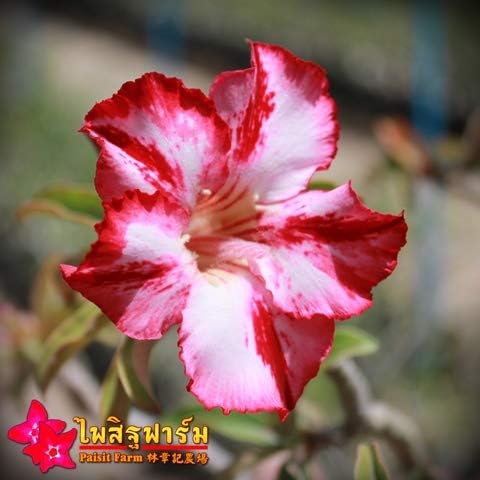

Description
1ing Conditions -Light: Full sun. Perfect for a sunny window. -Water: Water during the summer and spring. Reduce water in the winter, but keep hydrated enough to retain its leaves. -Temperature: Keep at least 50 F at all times; if you keep temperatures of 60 F or higher during the winter, the plant may retain its leaves. -Soil: A well-drained succulent mix, with an ideal pH around 6.0 (slightly acidic). -Fertilizer: Fertilize during spring and summer with controlled-release fertilizer or liquid fertilizer according to label directions. 2agation: Propagation is typically by seed. If your plant develops a seed pod, plant the seeds as soon as possible after the pod ripens, to maximize the chance of germination. The fresher the seeds, the better. If you don’t have a mature plant for harvesting seeds, ask your seed supplier about freshness before buying. Some gardeners use a heat source to keep the containers at 80 F to 85 F; otherwise, they should be kept as close as possible to that temperature range. Once the seeds germinate, the plants should be ready for moving to a pot in about a month. 3 desert rose can be propagated from branch cuttings, but the plants often fail to develop the characteristic (and highly desired) bulbous stem. 4tting: Repot as needed, preferably during the warm season. To repot a succulent, make sure the soil is dry before repotting, then gently remove the plant from the pot. Knock away the old soil from the roots, making sure to remove any rotted or dead roots in the process. Treat any cuts with a fungicide and antibacterial solution. Place the plant in its new pot and backfill with potting soil, spreading the roots out as you repot. Leave the plant dry for a week or so, then begin to water lightly to reduce the risk of root rot. 5eties: Adenium belongs to the genera Apocynaceae, which is native to Africa, the Middle East, and Madagascar. The desert rose (A. obesum) is the only Adenium found in wide cultivation,